2025
State Of The District
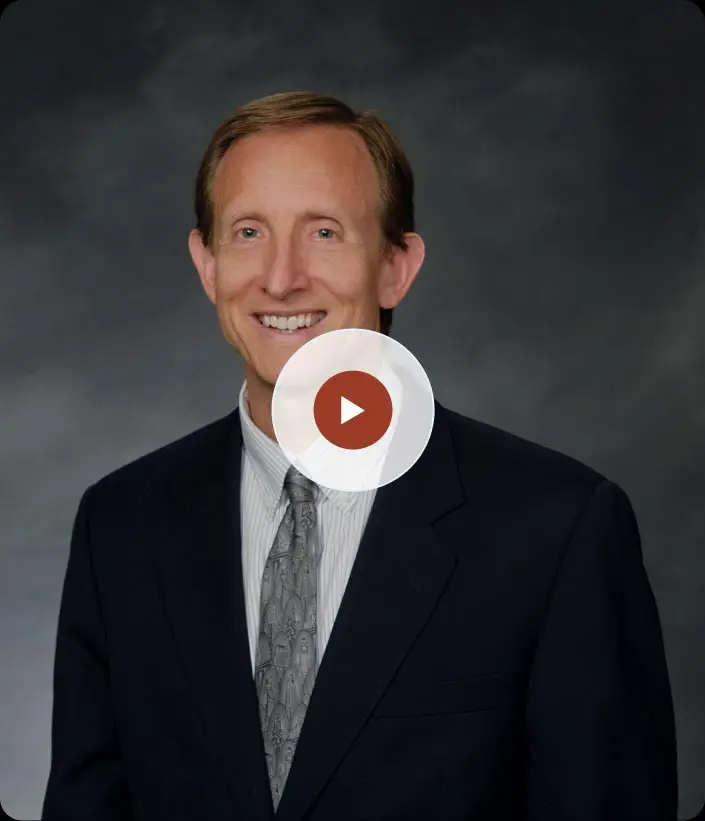
Welcome to SacSewer’s State of the District Report. I’m Christoph Dobson, SacSewer’s General Manager, and I’m excited to share with you some of our achievements from the past year. Please take a moment to watch the video to the left by pressing play, which offers a dynamic overview of our key milestones and what’s ahead. Thank you for joining us and for being an essential part of our journey toward a brighter future.
Christoph Dobson
General Manager
Vision
Setting the bar for excellence in utility management and environmental sustainability.
Mission
Serving our community by protecting public health and the environment through sewage collection, treatment, and resource recovery.
Values
- Responsibility
- Resolve
- Proficiency
- Environmental Stewardship
Our System.
Our Responsibility.
Our mission is clear: Serving our community by protecting public health and the environment through sewage collection, treatment, and resource recovery. We are the second largest sewage collection utility in California, and we own and operate the second largest water resource recovery facility of its kind in the nation—the EchoWater Resource Recovery Facility (EchoWater Facility), located near Elk Grove.
We're Working For You
SacSewer provides services to more than 1.6 million people by safely collecting, treating, and recovering resources from more than 42 billion gallons of sewage every year from homes and businesses in the Sacramento region. Keeping our sewer system in top operating condition is a 24/7 job, and we take that job very seriously. We employ highly trained professionals—both in the office and field—who work every day to deliver on our mission to protect public health and the environment. SacSewer provides service to residential, commercial, and industrial customers throughout unincorporated Sacramento County; the cities of Citrus Heights, Elk Grove, Folsom, Rancho Cordova, Sacramento, and West Sacramento; and the communities of Courtland, Freeport, Locke, Walnut Grove, Hood, and Franklin. The services we provide vary based on the location within our service area.
Our Sewer System
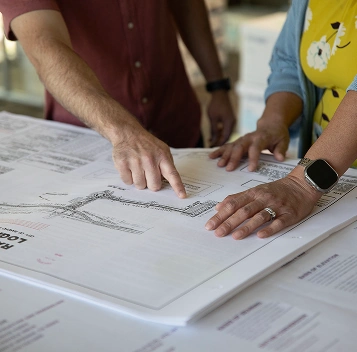
Our sewage collection system is comprised of a vast, complex grid of more than 5,000 miles of underground sewer pipes and 117 pump stations. Sewage from customers’ homes and businesses enters our collection system through lower laterals—small pipes connecting the property owner’s plumbing to our sewer main lines. Sewage then flows from smaller pipes into larger pipes called trunk lines, which connect to even larger pipes called interceptors. Interceptors convey the sewage to the EchoWater Facility, where it is highly treated and resources are recovered from it.
Most people don’t realize how valuable resources from sewage can be. Through our sustainable efforts in resource recovery, we maximize the reuse of treatment process by-products, such as biogas (energy), biosolids (nutrients), and the treated water itself—in the form of recycled water.
Our Service
Commitment
Throughout the year, we continuously measure how we are doing in serving our customers and protecting public health and the environment. Each service commitment is a performance goal reflecting our promise to customers. Paying close attention to the critical data we capture helps us keep a finger on the pulse of how well we meet our customers’ expectations, as well as fulfill our mission as dedicated environmental stewards.
These metrics help us understand where we are excelling and where we can do better. The data also helps us make smarter business decisions, and it gives our customers a clear and transparent view of what their monthly rates pay for.
In 2025, we compiled a perfect record, meeting or exceeding all six service commitments. This accomplishment reflects the hard work of our staff and their unwavering commitment to our mission of protecting public health and the environment.
Building a Culture of
Engagement
Building a culture of engagement continues to be one of our highest priorities—and this past year showed just how much progress we can make when we focus on it together. We know that a strong culture doesn’t happen by accident; it’s something we shape intentionally so our teams can collaborate effectively, solve challenges creatively, and ultimately deliver even greater value to the customers and communities we serve.
Over the last year, SacSewer has continued to invest in building a workforce where employees feel connected, supported, and motivated—and that focus is paying off. Since launching our first Gallup Q12 Employee Engagement Survey in 2023, we’ve seen statistically valid increases in engagement across the organization. But these gains are more than numbers. They show the collective effort behind strengthening our culture and set the stage for the teamwork driving our progress forward.
Our Engagement Champions—led by Training & Organizational Development Manager Jennifer Weitz and Training & Organizational Development Supervisor Grace Mosqueda—have been at the heart of this effort. They’ve continued to partner with groups across the organization to understand their results, identify meaningful opportunities for growth, and translate insights into action. Teams have taken ownership of their data, creating tailored plans that reflect their needs and ambitions. The result is a more connected workforce and a growing sense of pride in the work we do every day.
Strong engagement is not only good for employees—it directly supports our ability to deliver high-quality service. Research consistently shows that engaged teams are more productive, efficient, and effective, and we see that reflected in our own work. When employees are empowered and aligned, they collaborate better, make smarter decisions, and help ensure the reliable, responsive service our customers expect.
In April 2025, we sent out our second Gallup Q12 survey, and the results indicated that SacSewer had an 11 percent increase in employee engagement. This statistically valid increased was extremely compelling, given the average nationwide was actually a 4 percent decrease. Building on this success, SacSewer teams have continued to evolve existing action plans, identify new areas of improvement, and implement innovative strategies to ensure our employees feel valued, supported, and empowered to thrive in their roles.
As we look ahead, we’re energized by the momentum our teams have created. The insights we gather from future surveys will continue to shape our path, helping us refine our practices and stay responsive to what our employees need to do their best work.
By continuing to invest in our people, we’re laying the groundwork for a workplace culture where employees feel supported and empowered—and for a sewer system that remains resilient, efficient, and dependable for the communities who rely on us every day.
Shaping the Next
Decade of Service
SacSewer is committed to delivering safe, reliable, and cost-effective service to the 1.6 million people we have the privilege of serving. In 2025, we reached an important milestone in that commitment with the development of our 10-year Strategic Plan—a roadmap designed to ensure our systems, services, and investments continue to meet the region’s needs well into the future.
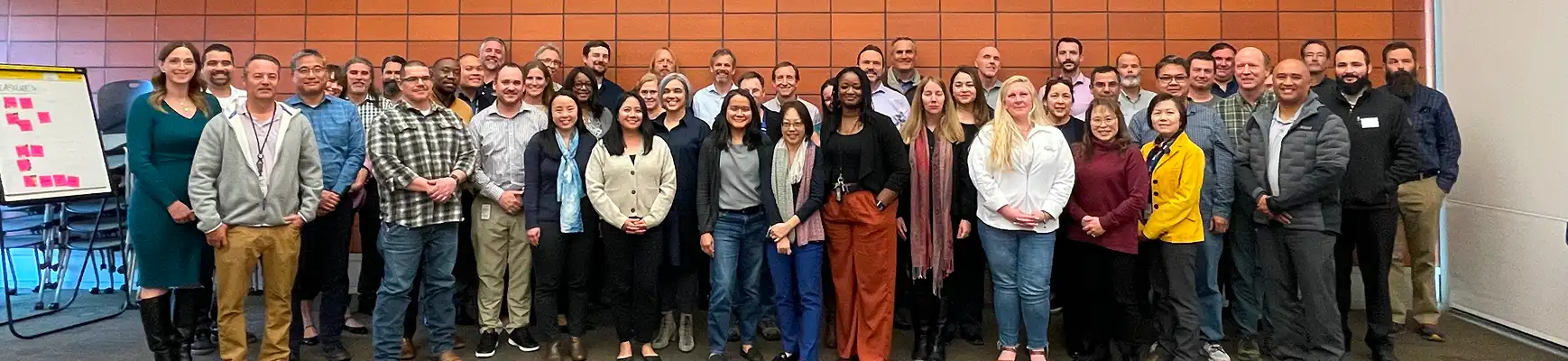
Developed with extensive input from staff across the organization, the Strategic Plan outlines clear priorities across six core goal areas, from system reliability and environmental stewardship to customer experience and organizational excellence. More than 40 employees contributed their expertise to help translate big-picture vision into practical, actionable objectives that strengthen how we serve our customers.
While the Strategic Plan sets the direction, the work is just beginning. SacSewer is now developing a detailed implementation plan that will guide how we prioritize initiatives, track progress, and measure outcomes. This next phase ensures that every investment—whether in infrastructure, technology, or workforce—delivers meaningful value to the people and communities we serve.
Completing the Strategic Plan marks a major step forward for SacSewer, and it reflects the dedication of employees across the agency. Their contributions help ensure we are not only planning for the future, but preparing for it—strengthening reliability, protecting public health and the environment, recovering resources efficiently, and keeping our region’s sewage system working seamlessly behind the scenes.
The road ahead offers tremendous opportunity, and we’re excited to continue this work on behalf of our customers and community.
Building Community
Connections
We take pride in being a committed community partner. To uphold this promise, we engage in extensive broad-based communication efforts to inform the public about who we are, the services we offer, and ways customers can support environmental stewardship.
Additionally, we’ve established strategic partnerships that provide a nexus to our public education programs. This creative approach allows us to engage current and future customers on how they can help safeguard the environment—now and for generations to come. Here’s a snapshot of our 2025 activities:
Go with the
Flow Assembly
Nicolaus Dairy
Visited Us at
Outreach Events
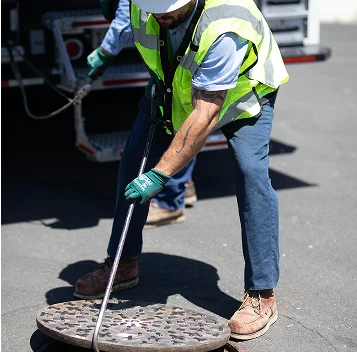
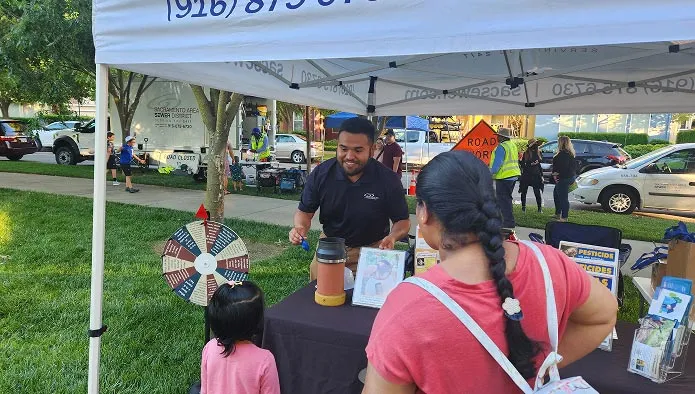
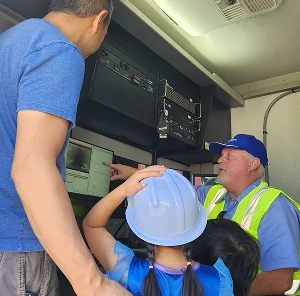
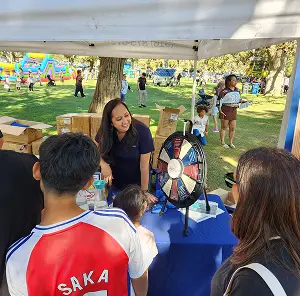
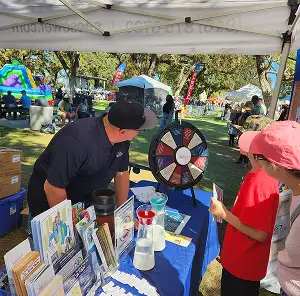
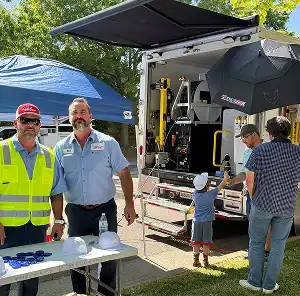
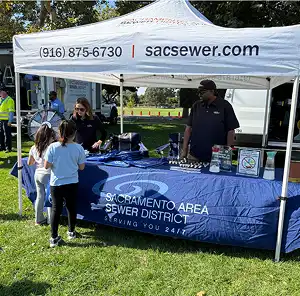
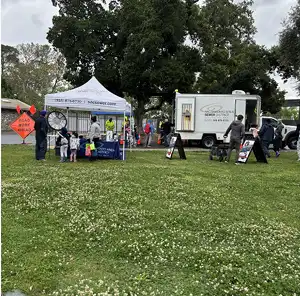
Led by Public Information Officer LeeAnn Salerno, our participation in 15 community events across our service area allowed us to connect with nearly 279,000 customers. At each event, attendees stopped by our outreach booth to learn practical tips and tools for keeping the sewer system running smoothly and sustainably, such as properly disposing of fats, oils, grease, wipes, mercury-containing items, and medications. At 11 of these events, visitors also stepped into the field experience, operating a TV inspection camera to see firsthand how our crews inspect and maintain sewer lines in their neighborhoods.
A highlight of the year was joining the first-ever U.S. edition of Terra Madre—an international food festival typically held in Turin, Italy—where we had the opportunity to share information about Harvest Water, California’s largest agricultural water recycling project.
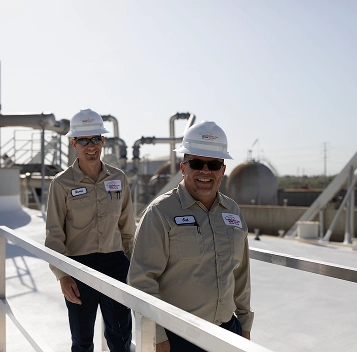
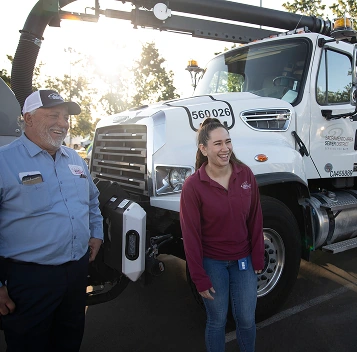
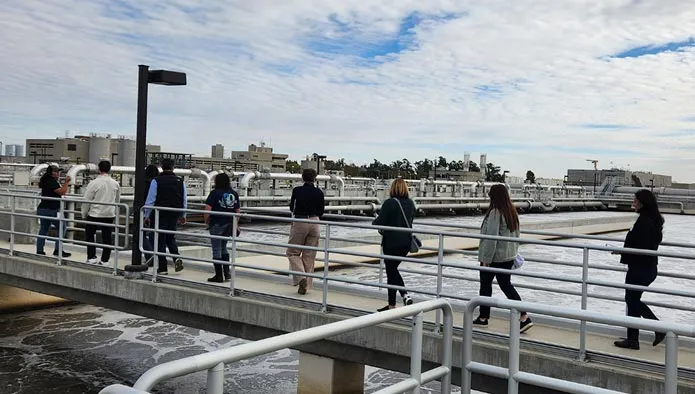
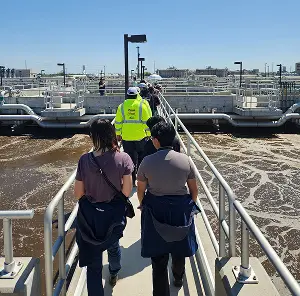
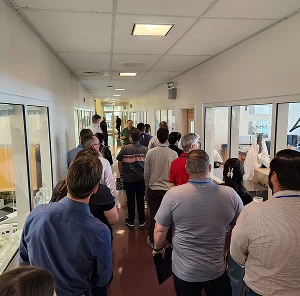
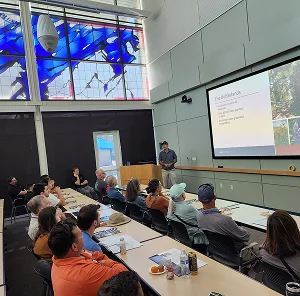
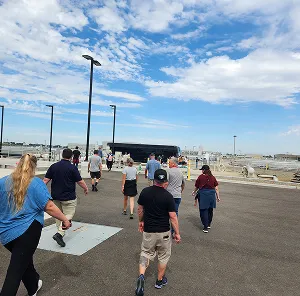
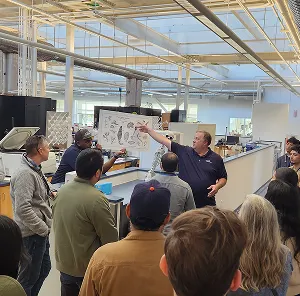
This year, we hosted 12 free public tours, welcoming more than 375 participants to get a behind-the-scenes look at our EchoWater Facility—the second largest resource recovery facility of its kind in the nation. Led by Public Information Officer LeeAn Salerno, visitors gained an up-close look at the sewage treatment process, learned how resources are recovered from sewage, and met the dedicated staff who keep the facility running safely and efficiently. By the end of their visit, 96 percent of participants reported having a better understanding of what their monthly rate pays for, underscoring the value of opening our doors and offering a transparent look at the essential services we provide.
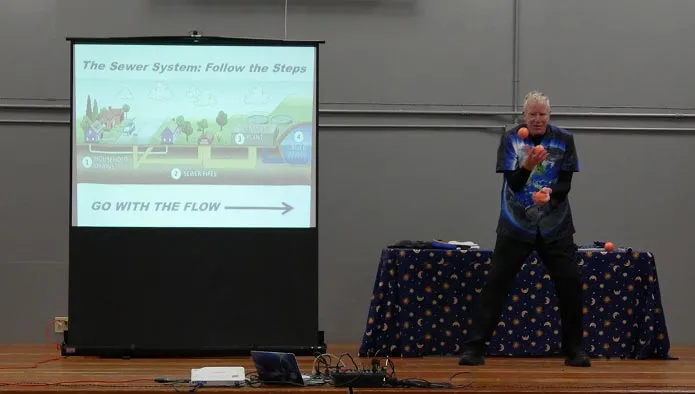
Our Elementary School Outreach program remains a hit with local schools. In partnership with Rock Steady Juggling, we brought the Go with the Flow program to classrooms. This program offers a high-energy juggling and magic show that turns environmental stewardship into a fun, memorable experience for students. This year, the program reached more than 18,600 students across 36 schools in 12 school districts in our service area.
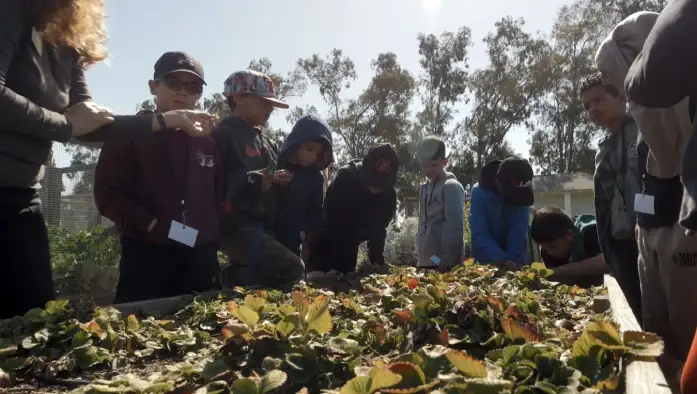
Through our partnership with Sacramento Splash, we continued to provide Project AWE to students throughout the Sacramento region. Project AWE offers hands-on field trips in the areas of Agriculture, Water, Energy, and the Environment (AWE), while promoting sustainable practices and environmental stewardship through grade-level specific education curricula. In 2025, about 5,800 students from second through fifth grade visited SacSewer’s historic Nicolaus Dairy and participated in an array of hands-on activities. Project AWE drew students from 49 schools in six school districts in our service area, with 55% of participating schools designated as Title I.
I’ve lived here nearly 50 years and, in my opinion, SacSewer is probably the most well-organized, efficient, and friendly organization in Sacramento. Great people and good leadership!
Social Media
Engagement
To connect with our customers, community partners, industry leaders, and the community at large, we continued to use social media as a key tool for outreach and education. Throughout the year, our channels helped promote sewer-friendly habits at home, share industry insights, highlight major construction projects, and showcase the essential services SacSewer provides every day.
We leverage our social platforms to inform and engage our customers and stakeholders about SacSewer. From promoting sewer-friendly practices at home and sharing industry news to highlighting major construction projects and showcasing our services, we aim to educate while fostering meaningful connections with our community.
Here Are Some
Key Highlights
This year marked our first full year operating as our own employer—and social media played a major role in helping us introduce SacSewer as an innovative, forward-thinking organization shaping the future of our industry. By sharing targeted career content and job-specific posts, we reached thousands of potential applicants and broadened awareness of who we are and what we offer. This strategy also elevated our reputation as an employer of choice, helping us draw in skilled professionals who are eager to contribute to public service.
It’s a Dirty Job,
But We’re Happy to Do It
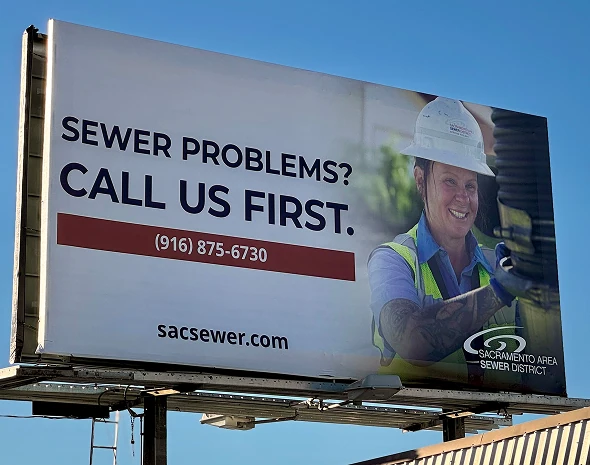
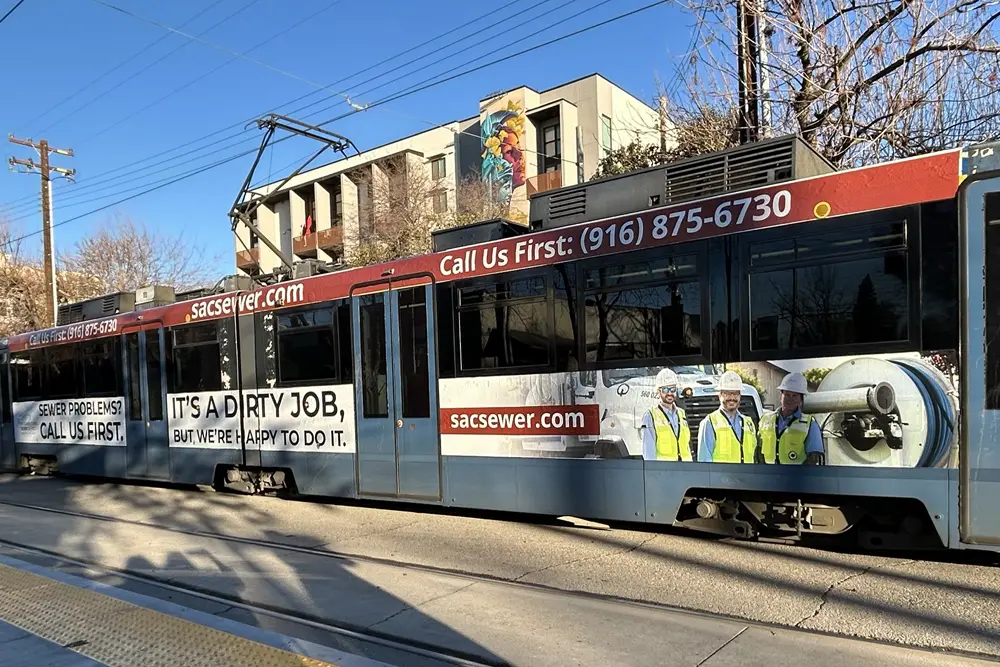
For the ninth consecutive year, SacSewer’s customer awareness advertising campaign was highly successful. Designed to promote our services and strengthen brand awareness throughout the Sacramento region, the campaign featured radio spots, billboards, transit shelters, and digital ads.
The dynamic campaign exceeded expectations by more than 72 percent, earning nearly 62 million impressions. By humanizing our work through quality campaigns like this, we continue to reinforce the message that we are a 24/7 operation committed to serving our customers when they need us most.
Financial Overview
SacSewer has a long-standing history of financial stability, which is critical to our success. We will continue to use long-term financial planning strategies and carefully project our costs to help us remain financially healthy. We remain committed to minimizing lifecycle costs and being good financial stewards of our customers’ money.


Confluence Regional
Partnership Program
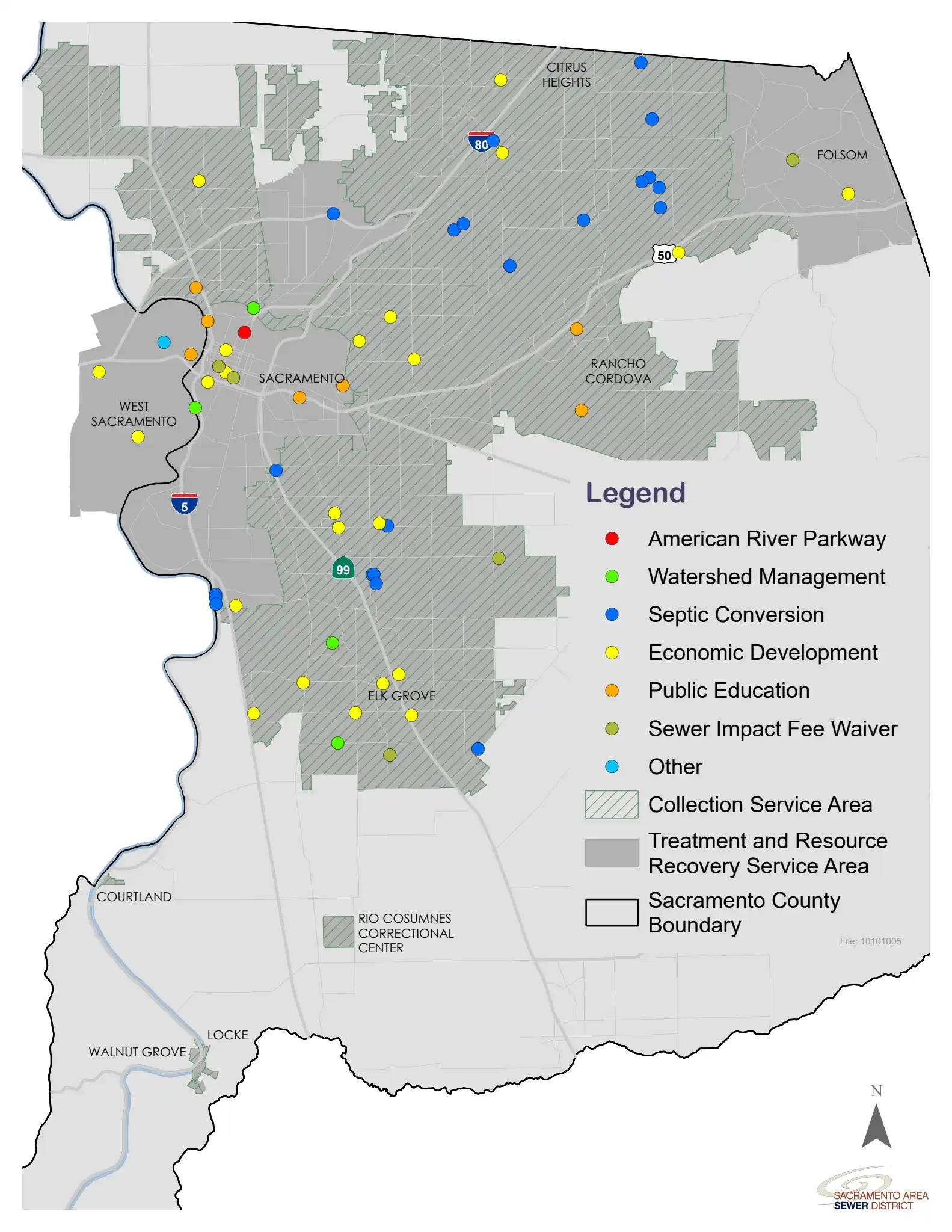
This distinctive grant program uses non-rate, non-fee revenues to fund community programs that expand the Sacramento region’s environmental, educational, and economic vitality. Managed by Environmental Program Manager Carolyn Balazs, program funding helps the community while advancing our mission, vision, and values. In 2025, the Confluence Program obligated nearly $5 million for various efforts. Here’s a look at some of the projects and programs in several categories we funded this year.
Sewer Lifeline Rate Assistance: Managed by Administrative Services Officer Michele Dibene, this category provided financial assistance to more than 10,250 sewage collection and 11,390 treatment and resource recovery residential customers. To expand awareness about our Rate Assistance Program with our customers, SacSewer enhanced its outreach efforts, resulting in a 4.7% increase in enrollment.
American River Parkway: Managed by Associate Civil Engineer Nan Bailey, the American River Parkway Foundation was granted $125,564 to remove trash and debris from the islands and waterways and dispose of invasive plants between Discovery Park and Hazel Avenue along the American River Parkway.
Watershed Management: Managed Nan Bailey, nearly $310,000 was awarded in grant funding to the Sacramento Tree Foundation for the Franklin Channel Riparian Restoration and Reforestation project. It provided $150,000 to the Sacramento Valley Conservancy to support the purchase of a conservation easement for the Laguna Creek Regional Trail.
Septic Tank Conversion: Managed by Senior Civil Engineer Yadira Lewis, this category provided 18 individual property grants for design and construction costs to connect to SacSewer’s collection system. In 2025, warranties for low-pressure pumps were incorporated into this category. Funding from this category will be used to fill any funding gaps related to the community-wide Septic-to-Sewer Conversion projects, which you can learn more about in our Major Projects section.
Regional Economic Development: Managed by Principal Engineer Dillon Miele, this category provided 25 grants totaling $650,000 that support regional economic vitality and helped businesses create 763 jobs.
Sewer Impact Fee Waivers: To support the construction of low-income or affordable housing residential projects, SacSewer waives sewer impact fees for qualifying projects. Managed by Supervising Engineering Technician Jim Edwards, SacSewer waived $912,346 in sewer impact fees for 231 equivalent single-family dwelling units in five affordable housing projects this year.
Public Education: Managed by Public Information Manager Paige Bedegrew, this category provided nearly $345,000 in funding for programs that educated the public on SacSewer’s critical work, advanced customers’ knowledge of how to be sewer stewards at home, and communicated the diverse career paths in our industry.
5,000 Miles
Of Sewer Pipe
Keeping Our
Sewers Flowing
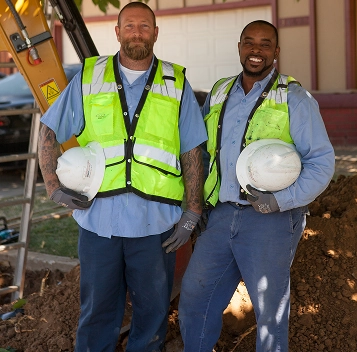
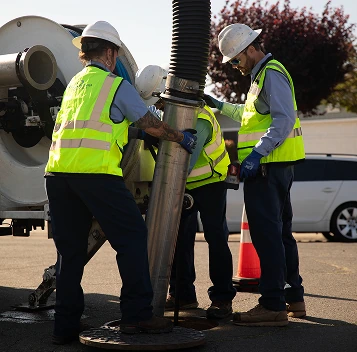
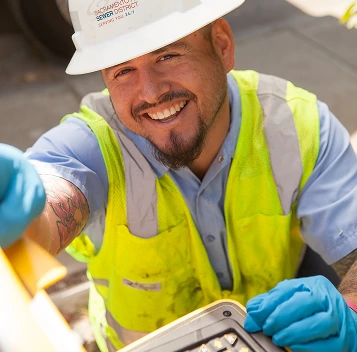
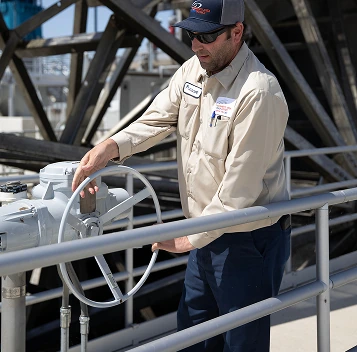
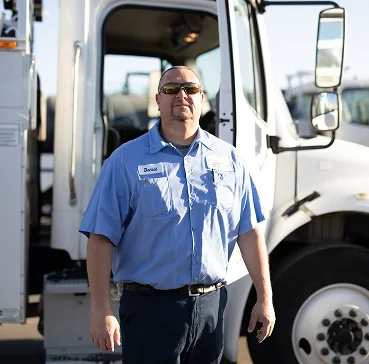
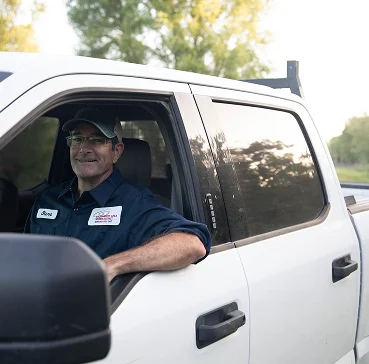
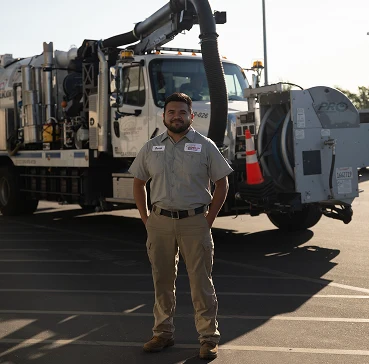
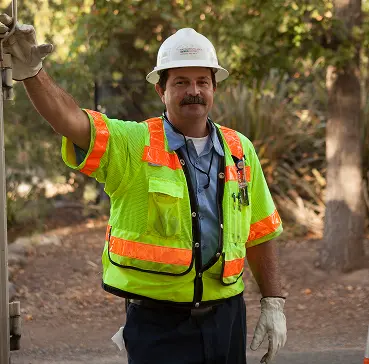
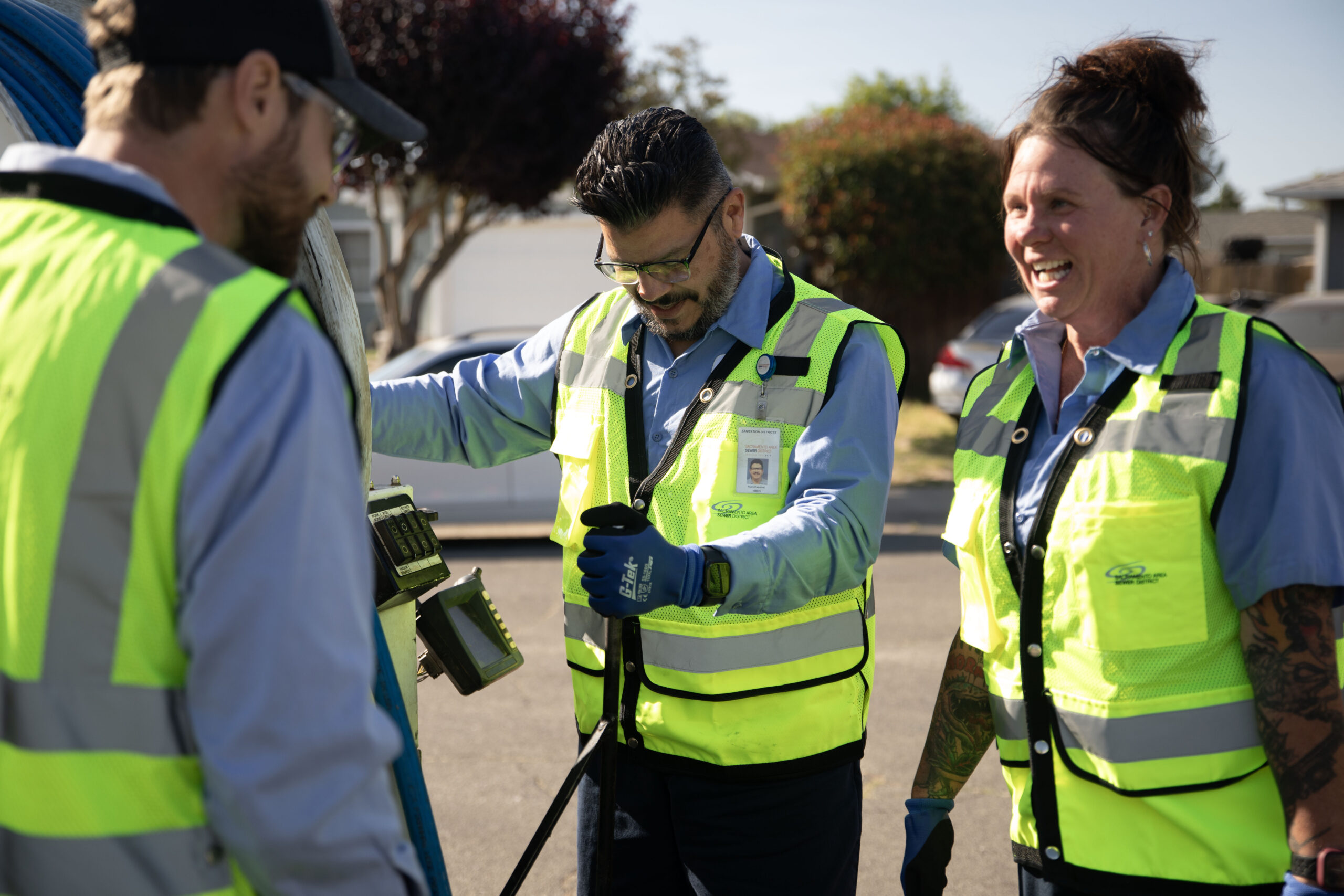
Proactively managing our sewage collection, treatment, and resource recovery infrastructure is how we keep our environment clean and our customers happy. Our protocols, systems, and tools play important roles in safe and effective system management, but it’s our people who make the difference—24 hours a day, 365 days a year. More than 800 highly trained sewer stewards work on specialized teams to keep our system flowing smoothly, while protecting public health, recovering valuable resources, and staying committed to environmental stewardship through sustainability.
Collection System Operations
Pipeline
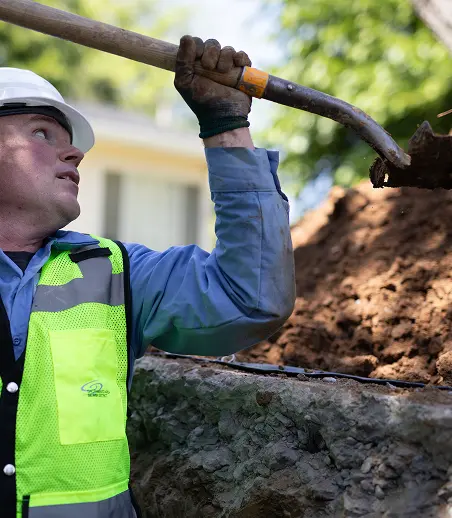
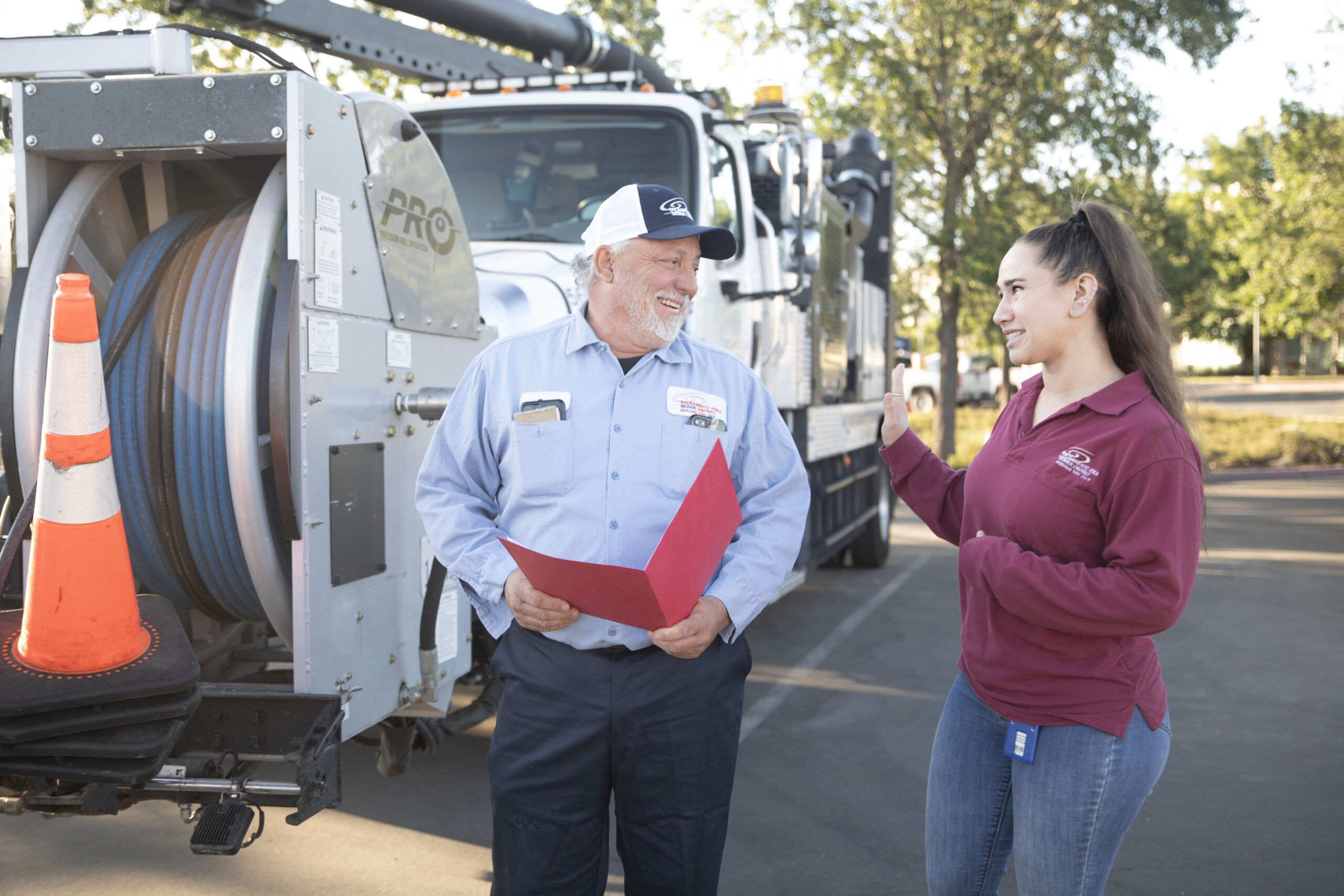
Maintenance and Operations (M&O) Managers David Alaskin and Ken Conder worked with their teams to closely monitor the condition of our main line pipes and carried out 30,963 work orders for proactive maintenance and repairs.
Emergency Response
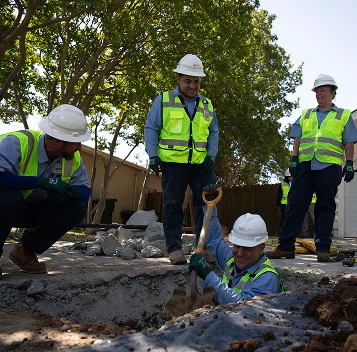
M&O Managers Bruce O’Roak and Paul Sutphin oversaw the completion of more than 6,614 response/emergency work orders and ensured our lower lateral pipes continued to operate optimally.
Planning and Scheduling
M&O Planner Scheduler Manager Todd Coleman oversaw the planning, scheduling, and coordination of maintenance and repair activities for pump stations, electrical systems, and thousands of miles of pipeline infrastructure. In 2025, he led the successful planning and implementation of a rehabilitation project for a force main and developed a comprehensive preventive maintenance reporting system that created efficiencies, shifting maintenance operations from a reactive to a proactive approach.
Facility Maintenance
M&O Facilities Manager Mike Dunbar worked with his team to closely monitor the condition of our 117 pump station facilities and implement proactive maintenance and repairs.
Business Planning & Capacity Management
Senior Civil Engineers Mai-Tram Le & Agustin J. Lopez oversee the Business Planning and Capacity Management groups to ensure that our M&O programs and infrastructure comply with regulatory requirements and can support community needs.
Information Management
Managed by Senior Civil Engineer Luisa María Gómez, the Information Management Group manages tabular, spatial, and geographic data through its Data Management and GIS teams. In 2025, collectively the teams completed major system upgrades that improved performance and efficiency, including integrating Maximo and GIS systems to streamline work orders, saving staff 109 days of labor, while also processing 485 new and 4,515 existing asset data requests to ensure accurate, reliable information for decision-making and field operations.
Development
Led by Senior Civil Engineer Yadira Lewis, the Development Services Group is comprised of the Trunk Design Verification, Collector Design Verification, and Permit Services units, along with interceptor support led by Principal Engineering Technician Robb Armstrong in Policy and Planning. Collectively, these groups review entitlement applications, sewer studies, design reports, and civil improvement plans to ensure compliance with SacSewer standards. The groups also manage agreements, grants, and loans, review environmental impact reports, oversee sewer impact fee assessments, and partner with the Consolidated Utility Billing System (CUBS) to resolve billing-related inquiries. In 2025, the group reviewed 1,065 development plans.
Pump Station and Interceptor Support
Consisting of six teams and managed by Senior Civil Engineer My Hyunh, the group supports pump stations, interceptors, buildings, fleet, capital, and development projects. This group has led ongoing pump station condition assessments, component modifications, and infrastructure repairs totaling over $2 million.
Pipeline Support
Managed by Senior Civil Engineer Ryan Shewry, SacSewer’s Pipeline Support group assesses the condition of our sewer pipeline network while managing on-call contractors to enhance operational efficiency. The group, comprising of subgroups Operations & Engineering Support, Mainline TVI Review, Lower Lateral TVI Review, and Contracted M&O Work, reviewed 30,718 television inspections, completed 1,527 business case evaluations, and completed 18,999 contracted work orders.
EchoWater Operations
Shift Operations
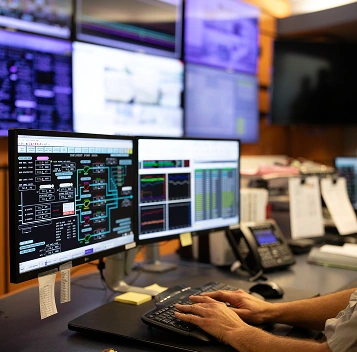
Chief Plant Operator Jason Haddix led a group of state-certified wastewater treatment plant operators that operate the EchoWater Facility 24/7, including weekends and holidays, to ensure all treatment processes function and comply with various local and state regulations.
Process Teams
Led by Process Teams Manager Matthew Trevett, the HyChem, Biological, Tertiary Treatment Facility, Solids Digestion, and Mechanical Support teams maintained each process area of the EchoWater Facility, ensuring critical equipment was operational every day of the year. Additionally, the Solids Harvest team recovered and applied 20,200 dry tons of biosolids.
Controls and Electrical Systems Group
Controls and Electrical Systems Manager Gary Spangler oversees the Control Shop, Electric Shop, and Process Computer Control System Support Teams, which maintain instruments, networks of control and electrical systems, nearly 100 substations, and various other communication networks to ensure operations staff can operate our treatment processes.
Facilities Maintenance Group
Under the direction of the Facilities Manager Matthew McKimmy, the stationary engineers operate our boilers and heating, ventilation, and air conditioning systems throughout the EchoWater Facility. The Building Maintenance Team provides support, such as building new office space, painting our process equipment to prevent corrosion, and setting up numerous events.
Process Support Group
Led by Senior Civil Engineer Jeremy Boyce, the group improved and optimized EchoWater Facility process control, streamlined existing facility operations, supported process-related projects, managed 5,296 key EchoWater Facility data points, and managed agency-wide odors.
Regulatory Compliance Group
Senior Civil Engineer Anna Johnson leads the group that oversees regulatory compliance and reporting for EchoWater Facility’s effluent discharge, levee system, interceptor system management, solids storage and disposal, and 53 air quality permits. Additionally, the group investigates incidents, manages compliance data, and executes projects that support the compliance programs. In 2025, in collaboration with the Collections System Operations and Policy and Planning Departments, the group successfully completed a major update of the EchoWater Facility’s Sewer System Management Plan, as required by new Waste Discharge Requirements.
Change Management Group
Led by Senior Civil Engineer Josh Nurmi, the group addressed changes and assisted staff through the administrative process for change management. Change management addressed procedures, equipment, drawings, operational strategy, maintenance, and logistics changes.
Information Management Group
Managed by Senior Civil Engineer Thea Durbin, the group oversaw the business systems and related business processes to support regulatory compliance, daily operations, and maintenance of the EchoWater Facility. The group ensured data accuracy, recommended business system improvements, and included subgroups for Computerized Maintenance Management System and Data Migration, Documentation, and Geographic Information System. In 2025, 587 support requests for SacSewer and external agencies were completed.
Recycled Water Group
Senior Civil Engineer John Nurmi oversees the Recycled Water Group, which manages operations, regulatory compliance, and reporting for SacSewer’s recycled water programs while supporting capital projects at the EchoWater Facility. In 2025, the team advanced the Harvest Water Program by developing its Operation and Management Plan, staffing strategy, and a water management app, while processing hundreds of facility access requests and identifying maintenance needs for 3,700 new infrastructure components that SacSewer will maintain as part of Harvest Water.
Our Major Projects
The future BioGeneration Facility will utilize biogas (methane), a byproduct of the solids treatment process, to produce renewable electricity and heat for the EchoWater Facility.
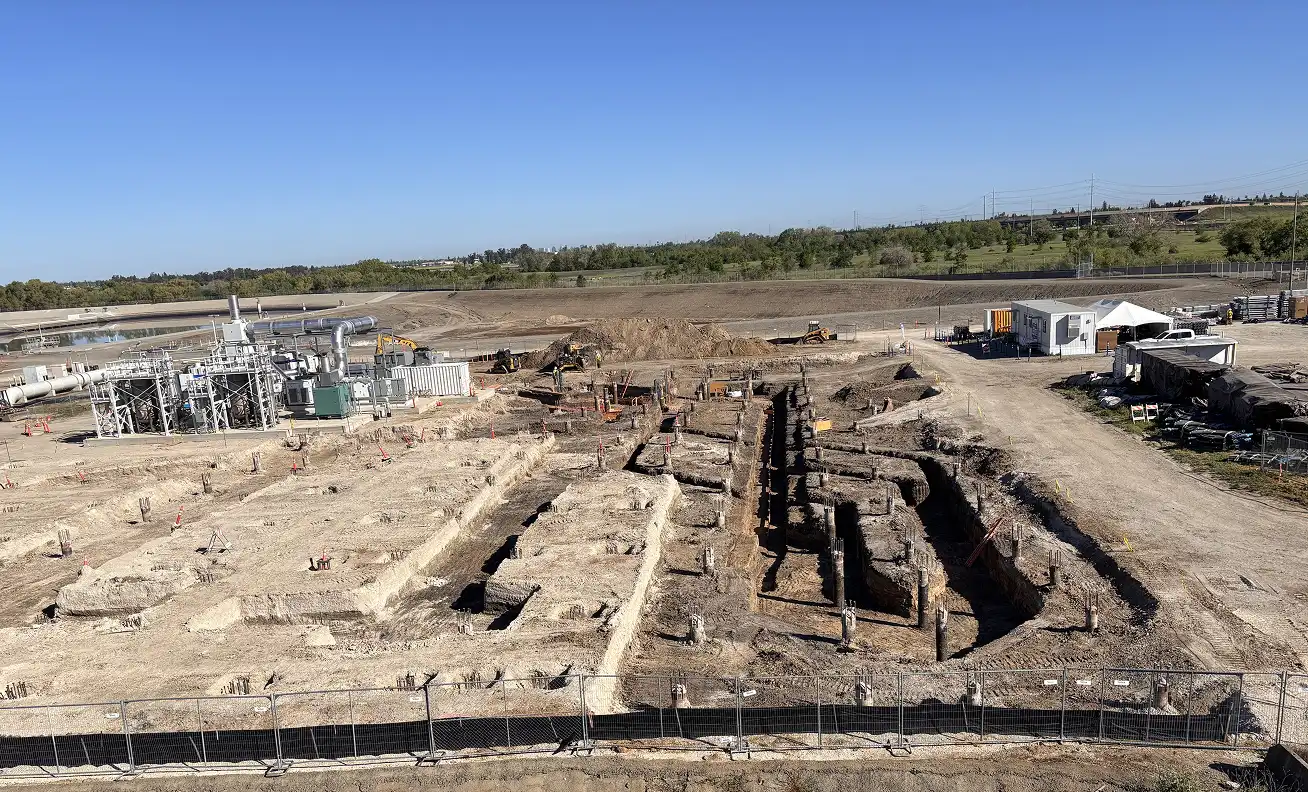
With Senior Civil Engineer Guillermo Robles serving as project manager, the benefits of the BioGeneration Facility will soon be realized:
- Once operational in summer of 2027, the EchoWater Facility will meet approximately half of its energy needs with renewable resources, significantly reducing our reliance on other sources.
- It will expand SacSewer’s green energy portfolio and move the EchoWater Facility closer to energy neutrality.
- It allows SacSewer to expand its gas generation capacity through organic waste digestion.
Construction of building supports and underground utilities, along with hot water system modifications, were completed in 2025, while the remaining Balance of Plant foundation work is expected to finish in spring 2026.
In October, SacSewer applied for up to $4.3 million in Self-Generation Incentive Program (SGIP) rebates for the project’s fuel cell. Staff also continue to pursue Inflation Reduction Act (IRA) funding to support the project that could bring in an estimated $28 million to $51 million.
Check out the Environmental Sustainability Program in the Environmental Sustainability section of this report to learn more about how we’re producing our own energy.
As SacSewer’s EchoWater Facility is one of the largest producers of biosolids in California, our Biosolids Management Program—led by Senior Civil Engineer Jeremy Boyce—is a critical process to ensure we’re recovering valuable resources from sewage.
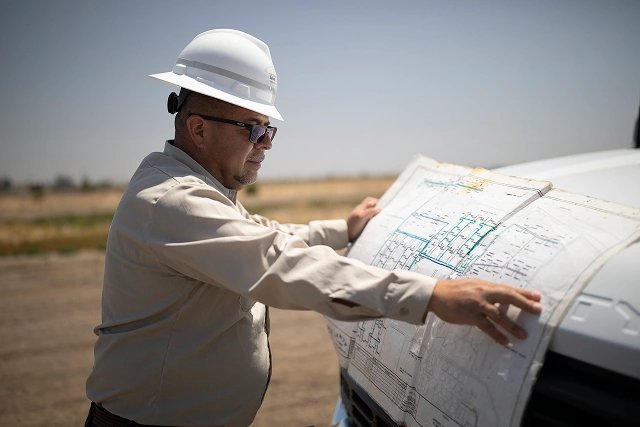
Upgrades at the EchoWater Facility to meet federal and state water quality requirements caused more biosolids to build up, increasing processing needs by 40 percent. This buildup led to a treatment disruption, which staff addressed with a multi-step approach.
After removing 12,100 dry tons of excess biosolids, SacSewer established a multi-year contract to remove up to 14,000 dry tons of additional biosolids annually, which will mainly be disposed of onsite, with a smaller portion to be land-applied offsite for beneficial reuse.
With up to 50,000 dry tons projected to be removed annually by 2048, SacSewer sought an alternative long-term solution. An evaluation to determine the most cost-effective means of meeting the new biosolids disposal needs was completed in 2025. A Biosolids Management Plan (BMP) was created, with a primary goal of providing a guideline for sustainable solids treatment and disposal capacity for the EchoWater Facility. The BMP focuses on removing water from biosolids before and after digestion that will be disposed of onsite in summer and stored in the winter. This plan will eliminate the need for the current $14 million annual disposal contract in place but requires a $444 million overall investment to build infrastructure equipped to handle any future capacity through 2048 and beyond.
Separately, SacSewer used an approved $12.4 million to upgrade the Biosolids Recycling Facility, completing the replacement of the main drum dryer, conveyers, ducting, and ventilation system in September 2025.
In addition to onsite management, the Biosolids Management Program conducts outreach to educate the public, farmers, and community leaders about the significant benefits of biosolids recycling. By working toward innovative ways to use biosolids recycling to protect natural resources and reduce waste sent to landfills, SacSewer continues to uphold its core value of environmental stewardship, demonstrating our commitment to contributing to a sustainable environment for future generations.
When operational in 2027, Harvest Water will supply up to 50,000 acre-feet—or roughly 16 billion gallons—of drought-resistant recycled water each year, and bring other lasting benefits to the region.
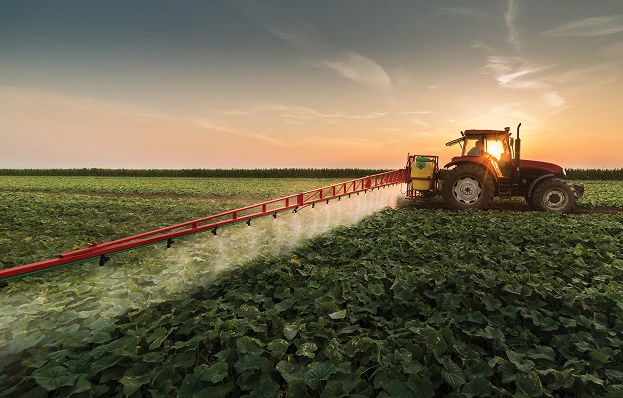
With Environmental Legislative and Regulatory Affairs Manager Jofil Borja, Senior Civil Engineer Heidi Oriol, and Deputy Director of EchoWater Operations Mike Crooks leading the project, the team realized many accomplishments in 2025:
Recycled water service agreements: Growers continued signing up to receive recycled water. By the end of July, Phase 1 agreements and easements were executed, and on-farm connection assemblies were bid for construction, reaching approximately 66% of our water delivery goal. Work on the EcoPlan is also moving forward, with pilot projects successfully testing ways to protect Sandhill cranes and vernal habitats.
Design and Construction: Most of the Harvest Water construction is now active or complete. All 41.3 miles of pipeline have been installed, and crews are now finishing road repairs, paving, and striping. The pump station is expected to be finished in early 2027, with full system testing later that year. Learn more here on the latest construction updates.
Outreach: Collaboration continues with landowners to share program updates, strengthen partnerships, and finalize design and easement details. Local residents are kept informed about construction impacts using mail, email, our website, social media, and partner mediums, such as the City of Elk Grove’s newsletter. Staff continues to advocate for Harvest Water to protect it from the impacts of the Delta Conveyance Project, which includes educating Federal and State representatives and local coalitions and participating in legal proceedings.
Funding: Staff amended the Harvest Water funding agreement to add $73 million in new funding awarded in 2025. Work is also continuing with the Sacramento County Water Agency on cost-sharing for recycled water in the Laguna Phase 2 area. In addition, staff are actively seeking more funding from state and federal programs.
SacSewer is making improvements to the Rio Consumnes Correctional Center’s pump station to ensure continued operations. Led by Associate Civil Engineer Darius Dastoum, construction began in May 2025 and is expected to be complete in early 2027.
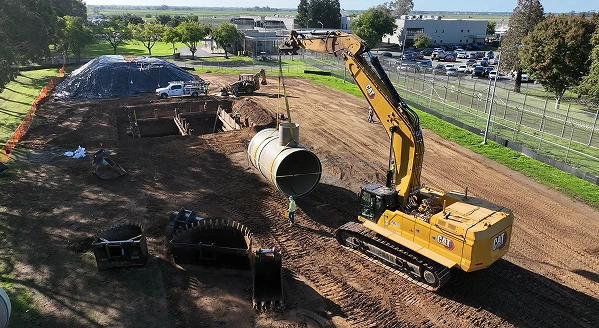
SacSewer brought sewer service to the local communities of Old Florin Town, Linda Manor, Hood, and Franklin, which have long relied on septic systems to dispose of sewage. Led by Associate Civil Engineers Ken Murray, Karin Yonkoski, and Anne Tran, the goal of these projects is to bring reliable sewer service to these communities while reducing the potential risks that aging—and in some cases, failing—septic systems pose to the environment.
To support this work, SacSewer oversees every stage of project delivery. This includes securing competitive grant funding from local, state, and federal partners; navigating required environmental review processes under California Environmental Quality Act and National Environmental Policy Act, and managing all design and construction activities. By coordinating these efforts internally, SacSewer is able to provide a seamless, turnkey septic-to-sewer conversion program at no cost to participating homeowners.
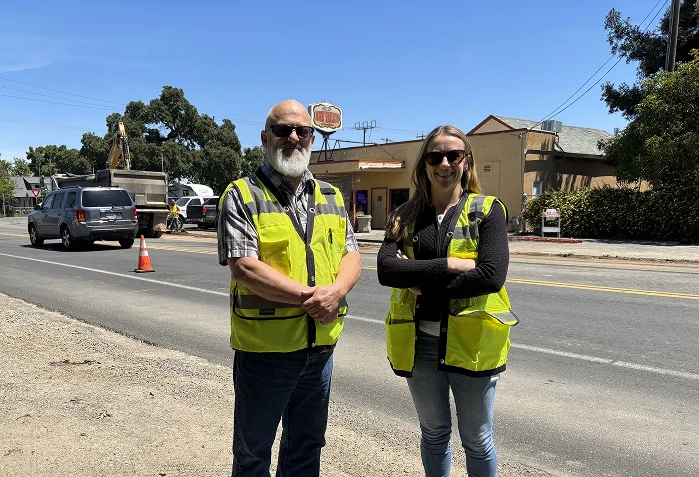
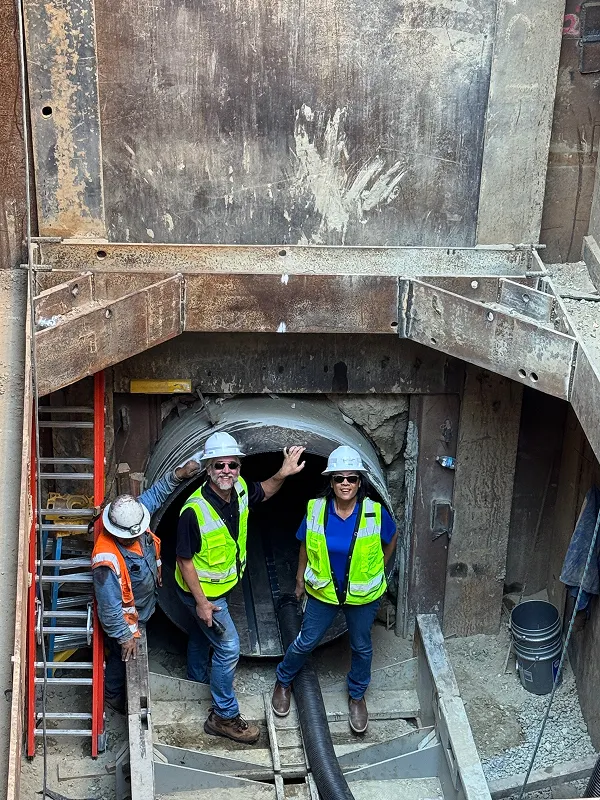
In March 2025, SacSewer began construction on the Upper Dry Creek Interceptor Relief Project, which will provide additional sewage capacity in part of SacSewer’s northwest service area. The project, led by Associate Civil Engineer Catherine Armstrong, includes installing 1.6 miles of 36-inch interceptor relief pipeline in residential and commercial areas of Rio Linda.
Outreach efforts are being led by Senior Public Information Officer Patrick Ibarra and Public Information Officer Liliana Cardenas to coordinate with surrounding residents and businesses impacted by construction activity. Project completion is expected in fall 2026. Click here to learn more.
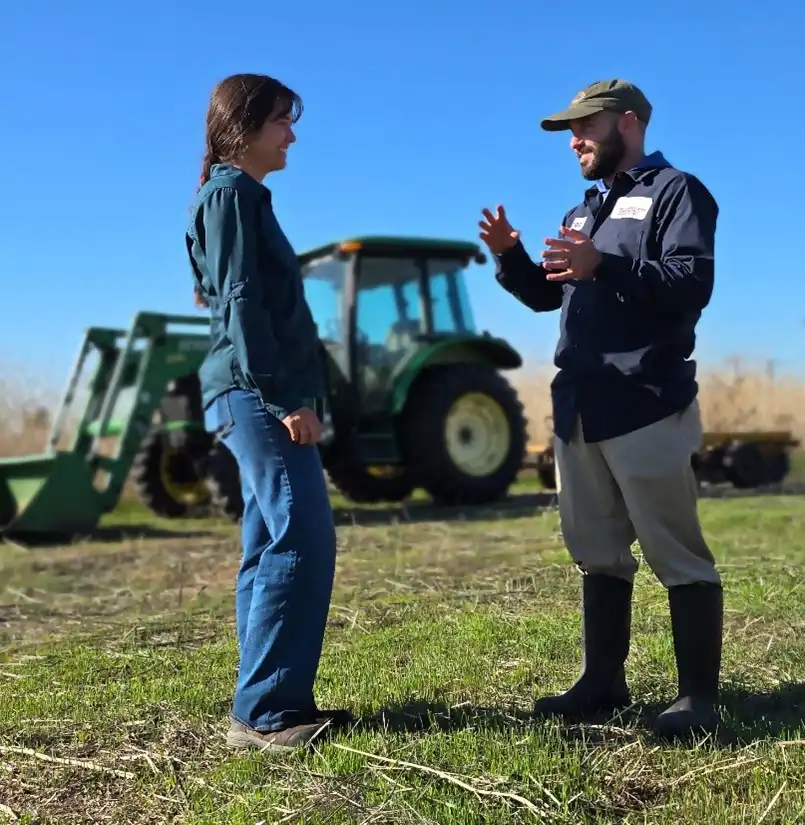
SacSewer staff immediately addressed the issue, and I was surprised at how fast a team arrived at my residence. Everyone I interacted with was knowledgeable, helpful, and courteous. Five stars all around!
Environmental
Sustainability

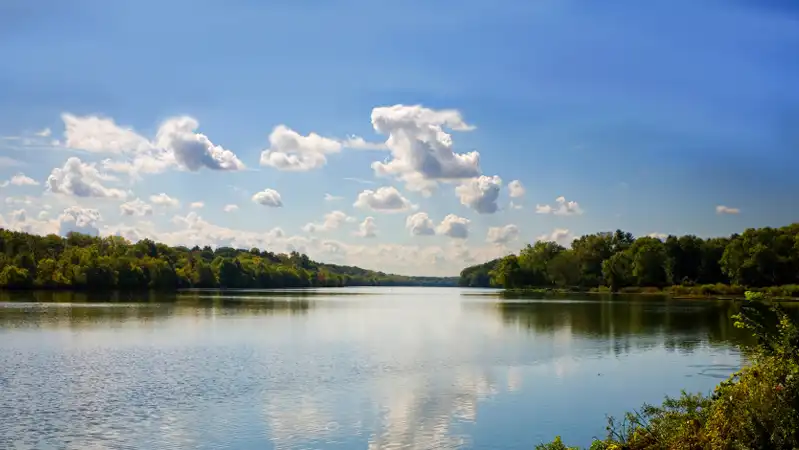
The EchoWater Facility includes an expansive 2,150-acre buffer that separates facility operations from neighboring areas in Elk Grove. In 2025, three major research efforts took place within the Bufferlands:
- Mourning Dove Study: As part of a statewide population study led by the California Department of Fish and Wildlife, the Bufferlands team has captured and banded more than 3,000 doves since 2010.
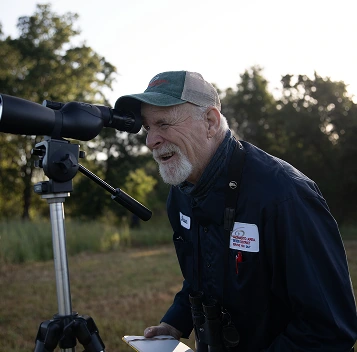
- Northern Harrier Research: A graduate student from the University of Missouri conducted an in-depth study on Northern Harriers, observing nests and fledglings—an encouraging sign for this declining species’ recovery.
- Solar Array Research: A team from the Global Ecology and Sustainability Lab based at UC Davis continued to study the ecology at the EchoWater Facility solar array.
This year, nearly 3,000 visitors attended 14 outreach events on our Bufferlands. Attendance at our signature event, Walk on the Wildside, had a record-breaking turnout that was boosted by two live features on Good Day Sacramento. Additionally, the Bufferlands partnered with community groups to host five creek cleanup events, removing 20 tons of trash from Morrison Creek.
Throughout the year, staff and visitors witnessed remarkable wildlife activity. For the first time in Bufferlands’ history, a pair of bald eagles built a nest. While no young were produced, staff continue to monitor the pair. Surveys also confirmed active nests for owls, hawks, kestrels, and loggerhead shrikes.
SacSewer’s Environmental Sustainability Program is Managed by Senior Civil Engineer Vyomini Upadhyay and has eight focus areas aiming to minimize waste, conserve resources, foster long-term economic vitality, and enhance the well-being of SacSewer staff, our customers, and the communities we serve.
This year, SacSewer continued making progress on its action plans, further demonstrating our commitment to environmental stewardship.
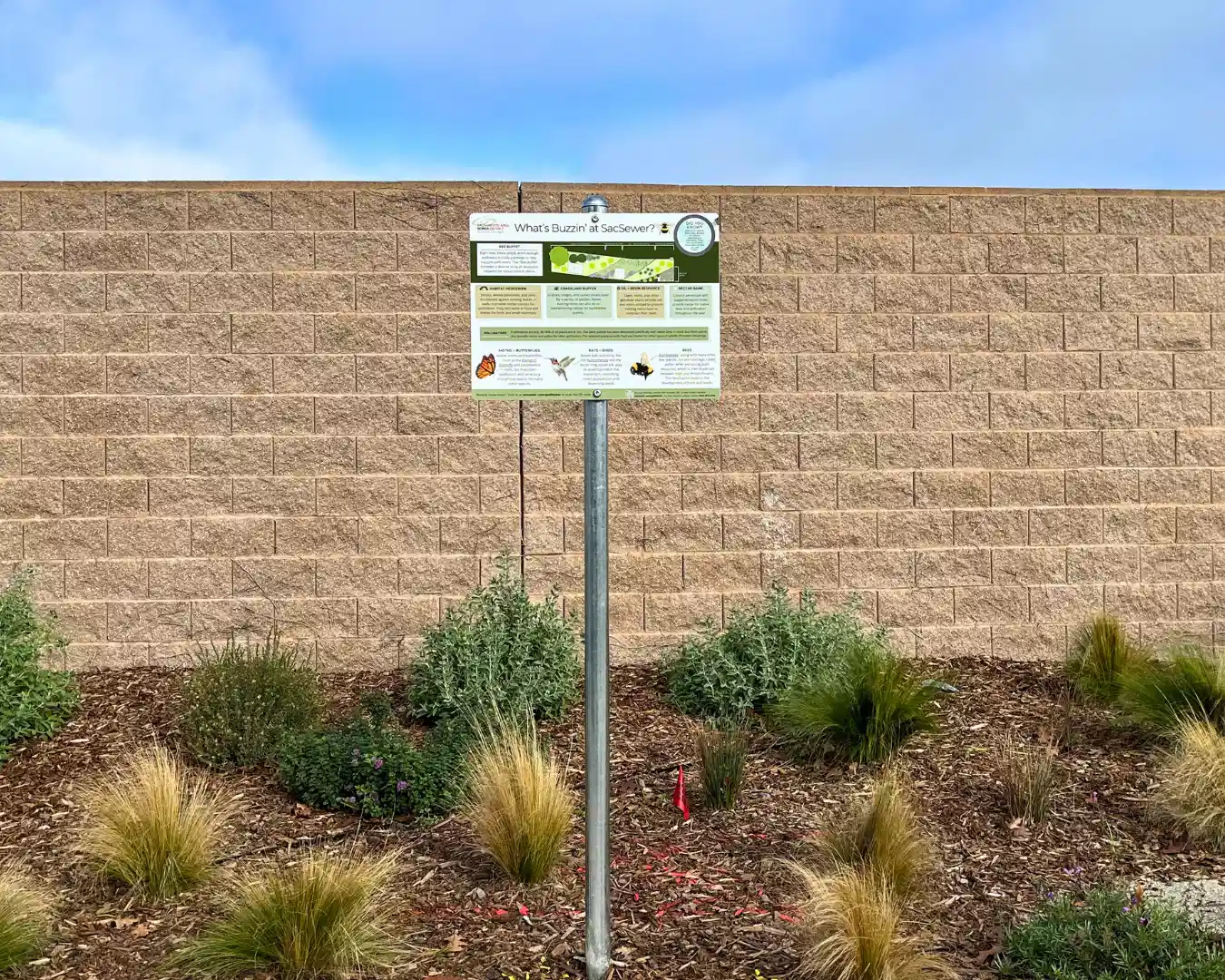
Hovnanian Pump Station Pollinator Project: Managed by Environmental Program Manager Carolyn Balazs, a drought-tolerant, low-maintenance garden featuring California native plants was installed at the Hovnanian Pump Station to support local pollinators, accompanied by the launch of a Pollination Station webpage to educate visitors.
Climate Adaptation and Resiliency Plan: Managed
by Assistant Engineer Liz Bonilla, SacSewer has begun evaluating climate
projections, reviewing data, and assessing infrastructure vulnerabilities as we
work to prepare a comprehensive Climate Adaptation and Resiliency Plan—guiding long-term planning and upholding our mission and values.
Going Green Employee Program: Managed by Environmental Program Manager Carolyn Balazs, the Going Green program engages SacSewer employees in sustainability through events and initiatives. In 2025, employees donated 380 pounds of clothing to Sacramento Loaves and Fishes and recycled 2,700 pounds of e-waste through a partnership with the Sacramento Regional Conservation Corps.
Net Energy Producer: SacSewer’s 21-acre solar energy array at the EchoWater Facility is one of the largest solar arrays located at a sewage treatment and resource recovery facility in the nation. In 2025, it produced approximately eight percent of the EchoWater Facility’s energy needs, enough to power approximately 690 homes for a year.
In addition to producing our own clean and sustainable energy, SacSewer’s ongoing participation in SMUD’s SolarShares Program allows us to purchase electricity from 100% renewable sources. By participating in this program, the energy generated offsets SacSewer’s energy usage, equivalent to powering approximately 3,100 homes each year. To learn more about how SacSewer produces our own energy, visit the BioGeneration Project in the Major Projects section of this report.
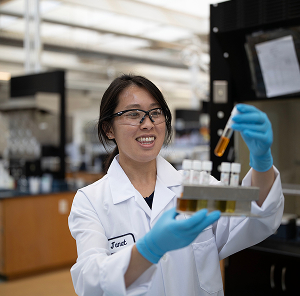
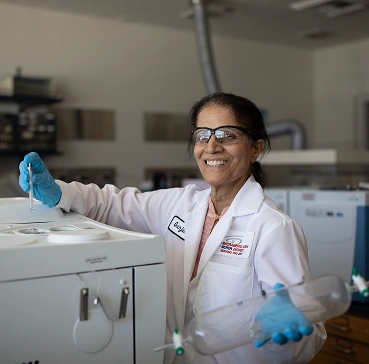
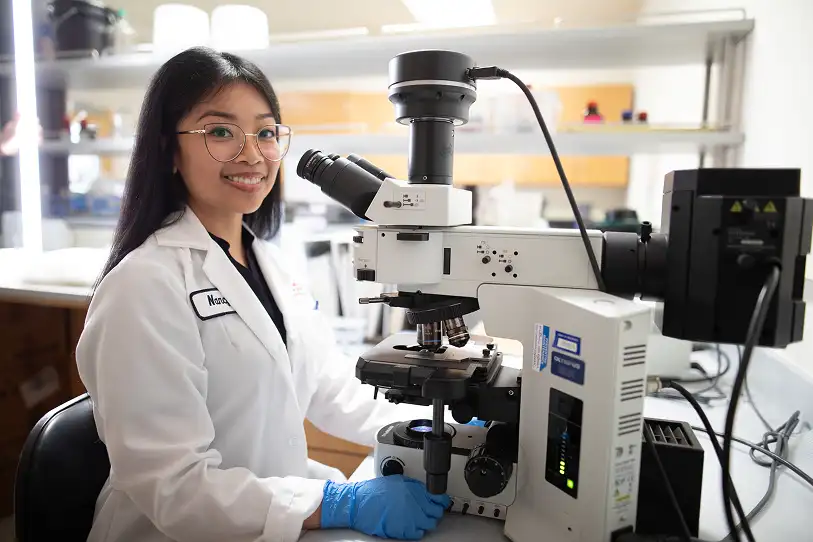
SacSewer’s Environmental Laboratory is certified by the California Environmental Laboratory Accreditation Program and provides an extensive range of analytical testing, sampling, and field monitoring services. Our team of over 35 scientists and technical staff provides high-quality services to meet the routine and challenging analytical needs of regulatory programs, special studies, and monitoring programs. In 2025, our laboratory staff successfully completed more than 84,700 tests.
Senior Scientist Dr. Tim Mussen and Environmental Program Manager Dr. Hope Taylor continue to lead efforts in engaging with scientific and regulatory committees, helping ensure that SacSewer is well represented at decision-making bodies and helping safeguard policies to be based on sound science. This team assists with our industry in protecting public health, the environment, and balancing responsible regulations and impacts to our ratepayers.
Living
Our Values
Turning Responsibility into Opportunity: Tackling the Biosolids Challenge
The completion of SacSewer’s $1.7 billion EchoWater Resource Recovery Facility upgrade marked a major milestone for clean water, energy recovery, and environmental protection in our region. With that progress came an important responsibility—ensuring our system continues to operate safely, reliably, and sustainably for decades to come. SacSewer embraced that responsibility from the start, taking ownership of emerging challenges and following through on our commitment to protect the public and the environment.
Beginning in 2023, the enhanced treatment processes at the EchoWater Facility led to increased biosolids, a natural outcome of removing more pollutants than ever before to protect public health and meet strict regulatory standards. In keeping with SacSewer’s core value of Responsibility, staff acted quickly and decisively, taking accountability for managing this new reality. Teams launched emergency removal efforts, partnered with industry experts, and maintained round-the-clock focus on safety and operational reliability—all while keeping our commitment to the environment and our surrounding communities at the forefront.
But living our value of Responsibility means more than addressing today’s needs. It requires looking ahead and planning with care. To ensure long-term stability, SacSewer convened a Technical Advisory Committee to evaluate 16 potential long-term solutions. Through rigorous analysis and collaborative decision-making, SacSewer prepared a comprehensive Biosolids Management Plan that delivers the greatest environmental and operational benefits at the lowest long-term cost. This thoughtful approach reflects our accountability to customers and our duty to ensure the system remains resilient for generations.
The plan includes new and long-term infrastructure investments that will allow biosolids to be thickened and dewatered on site, giving SacSewer greater control over this critical process. This will improve efficiency, reduce waste, and save tens of millions of dollars in disposal costs over time. It also provides the capacity needed to support the region through 2048 and beyond—while avoiding more than $100 million in costs associated with less efficient future treatment projects.
With an estimated cost of $587 million, this is a significant investment, one rooted in SacSewer’s responsibility to protect public health, safeguard the environment, and wisely manage ratepayer dollars. Operating the second largest water resource recovery facility of its kind in the nation, SacSewer continues to meet complex challenges with thoughtful planning, sound stewardship, and a clear sense of duty to the communities we serve.
Guided by our core value of Responsibility, SacSewer is taking ownership of today’s challenges, following through on our commitments, and ensuring a cleaner, more resilient, and more reliable system for tomorrow.
Awards &
Accomplishments
SacSewer’s achievements this year—including numerous industry awards—speak to the remarkable dedication of our staff. Their pursuit of professional growth, whether through training, conferences, or sharing their expertise in publications, continues to earn recognition locally, statewide, and nationally. Our success is built on their hard work, and we celebrate these accomplishments as a reflection of the entire team.
2025 Utility of the Future Today Award
From the Water Environment Federation for SacSewer’s Confluence Regional Partnership Program
Pace, Scale, and Effectiveness of Conservation Award
From the Freshwater Trust for the Harvest Water Project
Excellence in Public Information and Communications Award
From the California Association of Public Information Officials for the Website Merger and Redesign
Gold Peak Performance Award
From the National Association of Clean Water Agencies for the EchoWater Resource Recovery Facility
Recognition of Information Security Officer Catherine Wild
For her Exemplary Leadership and Significant Contributions to the Community from the Multi-State Information Sharing & Analysis Center
Outstanding Environmental Engineering Project
From the Sacramento Section of the American Society of Civil Engineers for the Sailor Bar Pump Station Rehabilitation Project
National Environmental Achievement Award
From the National Association of Clean Water Agencies for SacSewer’s Confluence Regional Partnership Program
Award of Distinction
From the California Association of Public Information Officials for the Rate Increase Communications Campaign
National Environmental Achievement Award
From the National Association of Clean Water Agencies for the successful implementation of the Septic-to-Sewer Project
Influence Merit Award
From the California chapter of the Public Relations Society of America for SacSewer’s Media Training
Community Engagement and Outreach: Project of the Year – Large
From the Sacramento Area Section of the California Water Environment Association for SacSewer’s Project AWE
Engineering Achievement
From the Sacramento Area Section of the California Water Environment Association for SacSewer’s Sailor Bar Pump Station Rehabilitation Project
Wastewater Treatment Plant Operations Supervisor Melissa Nichols was named Supervisor of the Year
From the Sacramento Area Section of the California Water Environment Association
Senior Wastewater Treatment Plant Operator David Barton was named Operator of the Year
From the Sacramento Area Section of the California Water Environment Association
Mechanic II Steven Rice was named Mechanical Technician Person of the Year
From the Sacramento Area Section of the California Water Environment Association
Controls and Electrical Systems Manager Gary Spangler was named Electrical Instrumentation Person of the Year
From the Sacramento Area Section of the California Water Environment Association
The SacSewer Warriors secured third place in the Maintenance Event and seventh overall
At the New Jersey Water Environment Association Operations Challenge event
The SacSewer Warriors placed second in the Maintenance Event and fifth overall
At the Colorado Rocky Mountain Water Environment Association Operations Challenge event
The SacSewer Warriors won first place in the Maintenance Event and fourth overall for Division III
At the Water Environment Federation’s Technical Exhibition and Conference Operations Challenge event
Plenary Presentation - Service and Science at the Sacramento Area Sewer District: Sustained Environmental Protection and Resource Recovery
Presented by Senior Scientist Dr. Timothy Mussen at the NorCal SETAC Annual Meeting, Northern California Chapter of the Society of Environmental Toxicology and Chemistry
Stressful clams: A phytoplankton bioassay investigating sewage effluent amendments and Corbicula fluminea grazing
Presented by Senior Scientist Timothy Mussen at the Biennial Coastal & Estuarine Research Federation Conference
Harvest Water: Transforming California's Agricultural Water Recycling
Presented by Environmental Legislative & Regulatory Affairs Manager Jofil Borja, alongside project team members, at the 2025 WateReuse California Conference
From Policy to People: Stepping Up with Communities in SGMA Implementation
Presented by Environmental Legislative and Regulatory Affairs Analyst Marina Deligiannis at the 8th Annual Western Groundwater Congress Panel and Presentation
Annual Employee
Awards Program
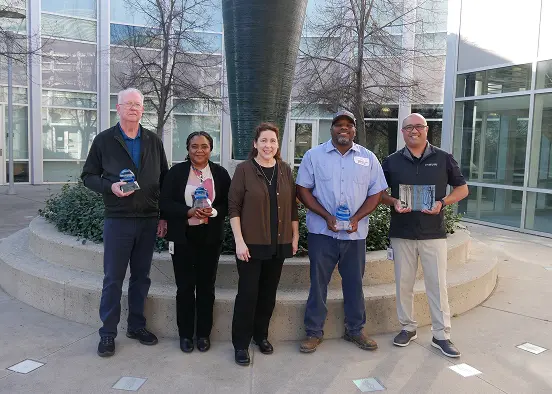
We continue to recognize the extraordinary efforts of exceptional employees with several annual award programs.
The 2025 Collection System Employee Awards recognized the following dedicated employees for their exceptional performance.
Field Employee
Of The Year
John Burleson Jr.
Maintenance & Operations Assistant
Office Employee
Of The Year
Ayanna Smith-Mitchell
Principal Engineering Technician
Leader Of The Year
Don Keene
Maintenance & Operations Assistant Superintendent
Director’s Award
Vu Pham
Information Technology Supervisor, presented for his exceptional resolve and responsibility leading IT projects in support of SacSewer.
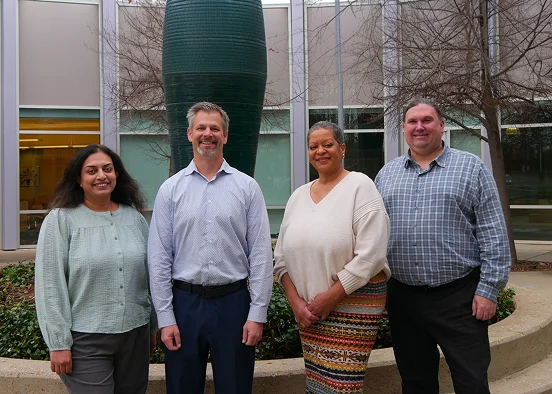
Policy and Planning’s 2025 Leadership Awards recognized the following staff for their outstanding listening skills and innovation.
Be an Example
Dr. Timothy Mussen
Senior Scientist
Aim High
Lakshmi Jayaprakash
Assistant Engineer
Make it Fun
Lisa Sadler
Executive Administrative Assistant
We’ve received preventative maintenance work from SacSewer on an annual basis and wish that all utilities were as on top of things as you all clearly are! Keep up the good work, it’s noticed!
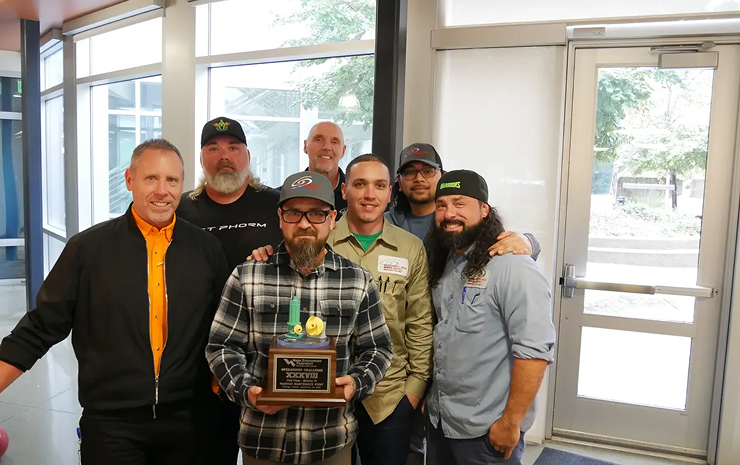
The team includes Senior Wastewater Treatment Plant Operator Nate Fua; Maintenance & Operations Technicians Chris Tikker and Gabe Abalos; and Wastewater Treatment Plant Operator Level 2 Efren Gutierrez; and Underground Construction and Maintenance Supervisor Wendell Duncan; along with SacSewer Warriors coach, Maintenance and Operations Assistant Superintendent Dave Leamer. Also pictured is Maintenance and Operations Superintendent John Hough.
Since SacSewer’s Operations Challenge team—the SacSewer Warriors—debut at the Water Environment Federation’s Technical Exhibition and Conference (WEFTEC), in fall 2024, the team has been busy. In May 2025, they traveled to New Jersey and earned third place in the Maintenance event, holding their own against teams across multiple divisions, including Division 1. This July, they headed to Colorado for additional real-world practice ahead of WEFTEC 2025 and took second place in the Maintenance event—another strong showing against higher-division teams.
Preparing for the competition is a serious commitment. Team members study independently to master complex technical topics—from distribution systems to lab parameters to process-control math. They also train physically to meet the demands of events that require equal parts speed, coordination, and endurance. Monthly full-day practice sessions at the EchoWater Facility help the team fine tune routines, and in the lead-up to major events, they spend a full week practicing together—often running each event multiple times a day to sharpen timing and accuracy. Their hard work paid off at the 2025 WEFTEC. Competing among 28 teams in Division 3, the SacSewer Warriors finished 4th overall, with standout rankings across the events:
- Maintenance: 1st
- Safety: 5th
- Laboratory: 8th
- Process Control: 10th
- Collections: 21st
These results build on their earlier wins in 2025 and reflect the team’s growing momentum as they continue to climb the ranks. Backed by resolve, teamwork, and unwavering dedication, the SacSewer Warriors are proving their place on the national stage—and their momentum is just beginning.
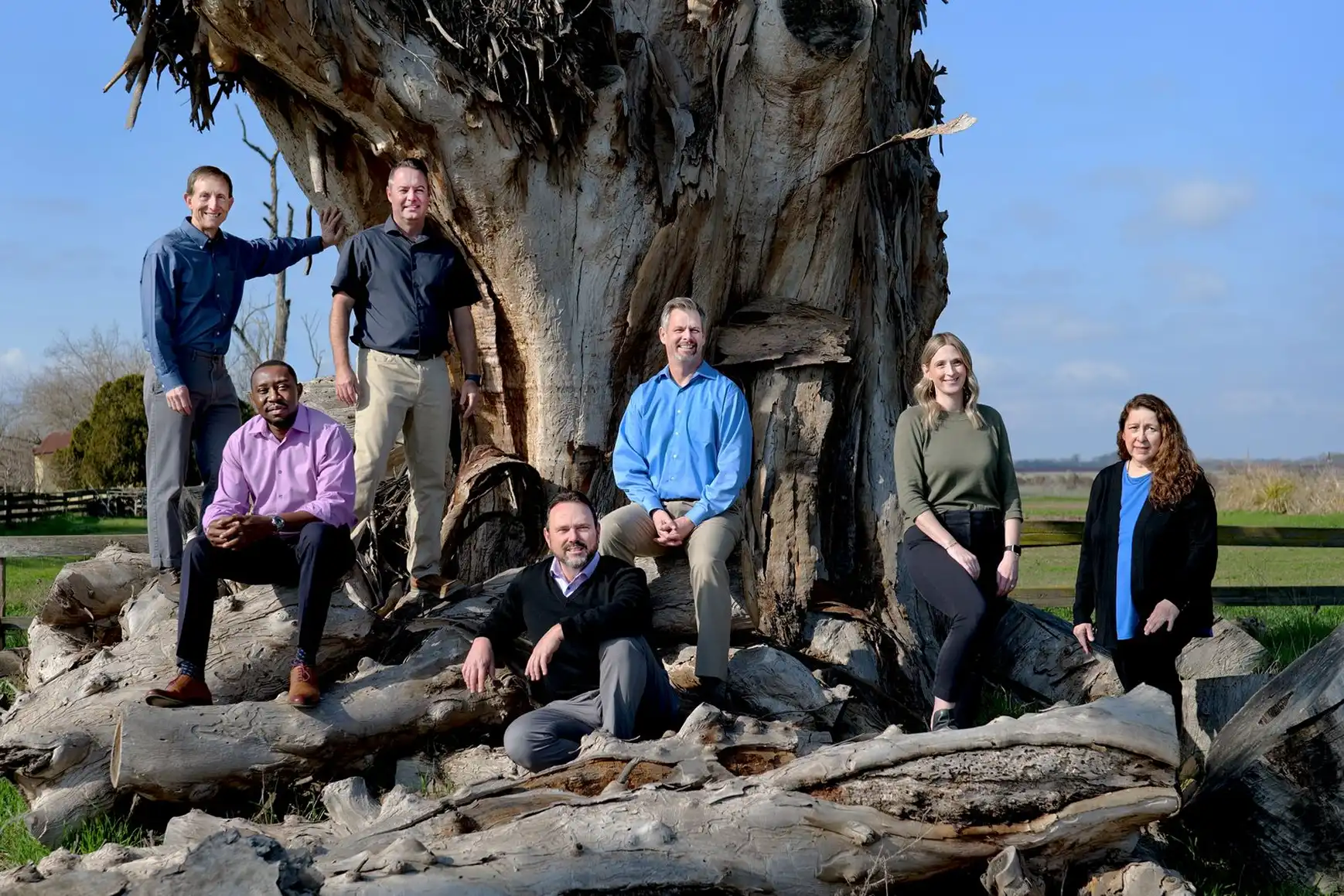
Executive Management Team
Pictured from left to right: Christoph Dobson, Tepa Banda, Matt Doyle, Sonny Lunde, Mike Huot, Nicole Coleman, and Rosemary Clark.
Christoph Dobson
General Manager (District Engineer)
Nicole Coleman
Director of Communications
Mike Huot
Director of Policy and Planning
Tepa Banda
Director of Finance
Matthew Doyle
Director of Internal Services
Sonny Lunde
Director of EchoWater Operations
Rosemary Clark
Director of Collection System Operations
County of Sacramento
Phil Serna
Patrick Kennedy
Rich Desmond
Rosario Rodriguez
Pat Hume
County of Yolo
Oscar Villegas
City of Citrus Heights
Jayna Karpinski-Costa
City of Folsom
Justin Raithel
City of Rancho Cordova
David Sander
City of Sacramento
Lisa Kaplan
Phil Pluckebaum
Roger Dickinson
City of Elk Grove
Sergio Robles
Darren Suen
City of West Sacramento
Quirina Orozco